

We’ve all experienced days when we need coffee at 11 am to wake up and we may still feel dragged by the day at 2 pm. This is when we reach for the snacks; we’re craving food as fuel and yet it feels like an emotional anchor dragging behind us. Why do these energy crashes come at the worst possible times? Why is it that a couple of hours on the treadmill can feel easier than dealing with conflicting diet advice? These questions reside at the core of metabolic health, the transformative idea that the energy systems of the body are living personalities rather than scientific abstractions.
In 2026, we have a fresh generation of tools that have reshaped how we understand human metabolism. This could be regarded as Metabolic Health 2.0. It’s an upgrade, it’s less about right rules and performance culture and more about understanding. When you can understand your preferences, quirks and body rhythms with curiosity and self-compassion you will have truly actionable data. So, here we’ll take a deep dive into this concept and offer some fascinating insights to help you decide if this could be the right approach for you.

Metabolism: The Invisible Orchestra in Your Body
Before we delve into apps, gadgets and breath tests, let’s put the record straight. Metabolism is not simply “calories in, calories out”. The human metabolism is more like an invisible orchestra that’s playing in the background when you’re asleep and awake. This governs how your cells turn the food you eat into the energy you need. It controls how hunger signals land in your brain, how you respond to stress, how glucose and fat are used or stored and how your sleep affects your appetite. Your metabolism is dynamic; there are constant interactions between your cells and the outside world with factors, such as: nutrient intake, temperature, sleep patterns, movement, stress levels and even your social interactions. This is complex; there may be days when your metabolism feels like a well-oiled symphonic orchestra and other days when the orchestra seems to be tuning up for a concert that doesn’t start. When you understand that there will be some variance, you are getting to the core of Metabolic Health 2.0 theory.
What Your Metabolic Signals Are Really Telling You
| Pattern You Notice | What It Might Mean | How It Shows Up Day to Day | A Smarter Adjustment |
|---|---|---|---|
| Energy crashes after meals | Blood sugar spikes followed by rapid drops | Mid-afternoon fatigue, brain fog, cravings | Add protein, fiber, or fat to meals to slow absorption |
| Consistently low morning energy | Poor sleep quality or disrupted overnight recovery | Grogginess even after a full night in bed | Shift evening habits—limit late meals, reduce screen exposure |
| Elevated resting heart rate | Stress load, poor recovery, or illness | Feeling wired but tired, lower workout performance | Prioritize rest days or lighter activity to reset |
| Irregular hunger cues | Hormonal imbalance or inconsistent eating patterns | Skipping meals then overeating later | Build more consistent meal timing with balanced portions |
| Plateau despite effort | Metabolic adaptation or mismatched strategy | No visible progress despite “doing everything right” | Adjust intensity—either increase recovery or change stimulus |
| Poor sleep despite fatigue | Dysregulated circadian rhythm or overstimulation | Difficulty falling or staying asleep | Align light exposure and wind-down routines more intentionally |
| High variability in daily metrics | Lifestyle inconsistency (sleep, stress, nutrition) | Feeling unpredictable from day to day | Focus on stabilizing routines before optimizing further |
| Strong response to small changes | High metabolic sensitivity | Noticeable shifts from minor diet or sleep tweaks | Use this responsiveness to refine habits gradually |
CGMs: A Window Into Your Glucose Story
If metabolism tells a story it’s your glucose levels, the sugar that circulates in your blood is a very revealing chapter. This is where we are introduced to continuous glucose monitors (CGMs). These are tiny sensors that are located just under the surface of your skin and they offer real time feedback on how your blood sugar is moving up and down during the day and night. The original purpose of CGMs was as a medical device for people with diabetes, but non-diabetic use has increased. People want to know how their glucose levels change and with time a pattern will emerge that can demonstrate balance versus the late-afternoon energy slumps.
There is nuance; CGMs vary in their design and price points and as you might expect the more accurate data comes at a hefty cost. A traditional medical system may place an annual price on the sensors and transmitters in the $2,000-$4,000 range. When these are paid as out-of-pocket expenses, they are a significant financial burden. That said, insurance if it covers CGMs, will dramatically lower the price.
In recent years, we’ve seen the emergence of devices that are focused on metabolic insights and wellness that have lowered the barrier to energy. Now you can purchase an over-the-counter CGM like the Dexcom Stelo at around $99 for a pair of sensors or it’s cheaper to go with the $89 per month subscription plan. This is accessible for those that need glucose data without the accompanying medical diagnosis. There are plenty of other options on the market and the prices vary a great deal depending on the accuracy and feature set.
The best thing about CGMs is that they offer no judgment, they simply reveal trends and patterns that you may not be aware of. Perhaps you eat a sweet breakfast cereal that kicks your glucose into a steep ascent which may be followed by a crash later when your glucose levels are steadier. When a CGM is paired with an app you can watch the internal dialogue in real time. When you start to understand the ongoing conversation, you can make choices that keep your hunger signals clear and your energy levels smoother. The relationship that you have with food can be more curious and less reactive in nature.
This all sounds great, but there is a caveat to consider. These inexpensive CGM wrist-mounted gadgets and apps that claim to track glucose non-invasively are not approved by the FDA and other regulators. In reality, some don’t measure blood sugar and they may not offer reliable glucose measurements. So, if you want to explore CGMS look for reputable manufacturers and well reviewed devices that are truly measuring what you think they are.
Respiratory Metabolism: Breath as Insight
Glucose can reveal insights about blood sugar dynamics, but there are other tools that examine metabolism through your breath. This is known as indirect calorimetry, it’s an assessment that is used in performance laboratories to estimate the metabolic rate by measuring the consumption of oxygen and the volume of carbon dioxide exhaled. Traditionally, this was limited to the domain of metabolic clinics and sports scientists.
Now, we have breath-based wearable devices that have brought indirect calorimetry into everyday life. These wearables track the oxygen intake and outtake, the COâ‚‚ output, breath volume, rate and flow and up to twenty other biomarkers in real time. This data is sent to an app to offer a precise view of your energy expenditure, metabolic flexibility and the efficiency of the switch between burning carbs and fats.
This feedback can be fascinating for those that experiment with different eating windows, stress management techniques and training styles. A breath-based tool will not tell you if you’re doing something “wrong” or “right”, but it will translate your metabolism into numbers that you can understand and explore.
Apps and Platforms: Narratives Over Numbers
Raw data requires context, this is where the apps and platforms come to the fore. Those brands focused on metabolic health tracking often wrap the breath data and glucose levels in trends, stories, habit nudges and even optional coaching sessions. Some platforms may slice the meals, exercise, sleep and stress into insights that will reveal patterns over time. For some people this can transform metabolic health into a daily journaling practice with data instead of relying on intuition.
So, how would this work in practice? This may start with you taking a photo of your breakfast, you tag it for carbs and fast and observe how it correlates with your glucose response during the next few hours. Alternatively, you might investigate how your sleep quality affected your morning glucose and afternoon hunger levels.
These tools are often offered as subscription models and the prices vary widely. Some of the more affordable options can be had for $30 or less per month. Others can be $150 or more and they often come with personalized coaching options. When you choose metabolic tracking tools and services consider the insights you want or the habits you need to change before you commit. Don’t focus on the raw prices alone because this is a crowded market and it would be all too easy to end up with a system that doesn’t meet your needs.

Movement and Metabolism: More Than Steps
The long-standing mantra that “exercise boosts metabolism” misses the nuance. It may be time to shift from the thinking that steps taken and calories burned is the entire story. The modern wearables are geared toward metabolic impact rather than basic step counting.
Some estimate the metabolic equivalents (METs), the active energy expenditure and how various activities modulate the short term glucose levels. When this is paired with CGM data, even a fast walk can reveal the dramatic effect on your blood sugar even if your heart rate isn’t registering in the vigorous zones.
The metabolic benefits of movement are profound. If you do a 45-minute workout in the morning and sit too long in the afternoon the metabolic responsiveness is blunted. In contrast, gentle activity throughout the day, like: short walks, light bodyweight flows, standups and more, can keep your mood and glucose more stable. If our bodies are made up of connected systems, it’s the movement that keeps everything lubricated.
Sleep, Stress, and Metabolic Awareness
Your metabolism is emotional and biochemical, stress will trigger hormones like cortisol which in turn will influence your appetite, fat storage and glucose regulation. This is why sleep deprivation is more than a simple lack of rest, it changes how your body prioritizes hunger signals and energy usage.
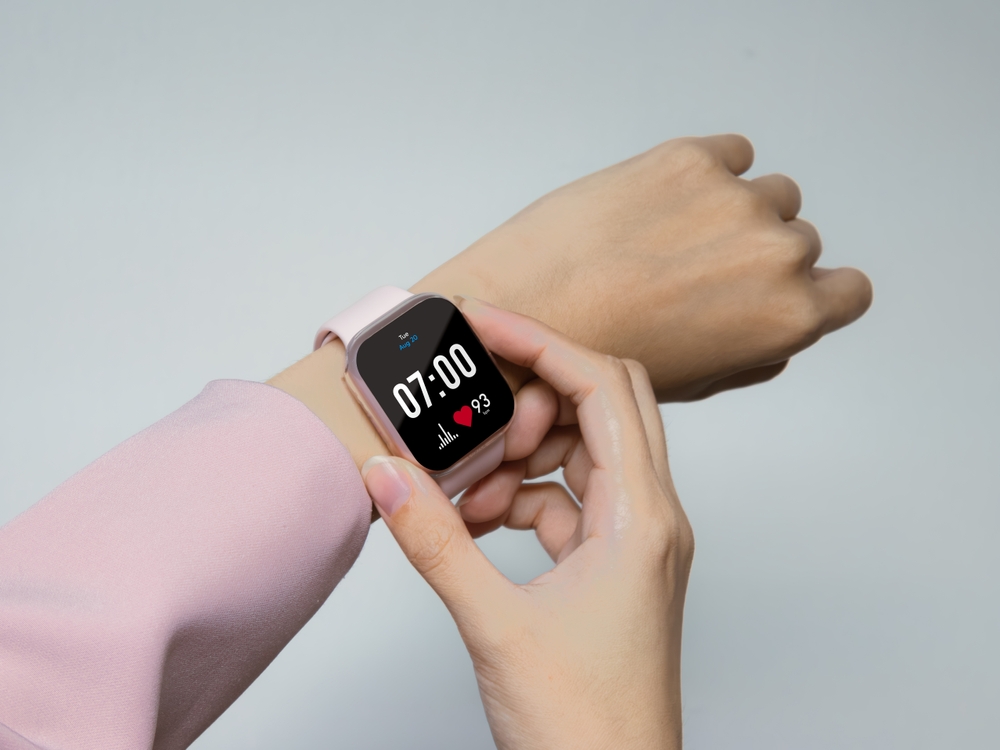
With wearables that track heart rate variability (HRV), sleep stages and stress responses you gain clues about how your nervous system state influences your metabolic rhythms. When this is paired with breath or glucose data, you can see how poor quality sleep can make you crave carbs, how restorative sleep makes mornings smoother and how stress drives up your evening appetite.
Food Patterns Reimagined: Personal Context Over Dogma
A huge lesson that Metabolic Health 2.0 teaches us is that the “ideal diet” for you is not necessarily the same for everyone. Most nutrition research is mired in debates about fasting, macros, fats and carbs and it’s becoming outdated.
The latest metabolic tools can help you to observe and test your ideas on your own terms. Rather than following rigid rules you can collect personal evidence. How does your glucose respond to eggs versus oatmeal for breakfast? Does your energy fluctuate after a midday walk? How do your break markers shift after a high-fat meal? Gradually, patterns will emerge, the data is playful and you respond with gentle experimentation.
Small Shifts, Real Signals: Practical Ways to Support Metabolic Health
Making metabolic health improvements is entirely possible and the more effective changes are often the least dramatic. These are actionable, they find real schedules, moods and even busier days. The goal is not to gain control over your metabolism, it’s better to collaborate with it and choose a gentle systems upgrade over a “biohacking bootcamp”.
A simple place to start is with your mornings, this is when the body is especially sensitive and hormones that regulate hunger, blood sugar and energy are setting the tone. Eating protein earlier, without obsession over perfection may stabilize the appetite later in the day. The protein sends a signal that nourishment is arriving, it’s ongoing and it’s not scarce. When you have calmer metabolic mornings, the afternoons tend to follow in a similar manner.
Movement works best when it’s part of regular life rather than a formidable and isolated effort. Although a structured workout has its place, metabolic health responds better to frequent and low-grade movement, like: standing on calls, stretching between tasks, taking a short walk after meals and more. These are small interruptions that help the muscles to efficiently absorb glucose and prevent energy bottlenecks. This is about keeping the energy flowing and the body enjoys regular reminders that it’s designed for movement.
Meal sequencing is a powerful lever, eating protein, fiber and fats before refined carbs can soften potential glucose spikes and reduce the risk of sudden fatigue and hunger. An effective approach is not to moralize over ingredients and ban certain foods. It’s the imposition of order rather than restriction and slowing the pace of glucose entering the bloodstream. This can make you feel clearer, steadier and less prone to late impulse snacking.
Sleep is vitally important, even a single short night may increase hunger hormones and reduce the insulin sensitivity for the following day. Focus on consistency, go to bed and wake up at around the same time each day to train your metabolism to expect rest. This will make energy regulation throughout the day feel more cooperative.
Stress may be harder to quantify, but it plays a central role in our metabolic health. When our bodies are kept in a stain of chronic stress, the perceived emergencies alter how we handle fuel. The kneejerk reaction would be to try to eliminate stress, but this is unrealistic and we need some stress in our lives to maintain forward momentum. Instead, you can create moments of relief for your nervous-system with brief pauses between tasks, slow breathing, sunlight exposure and even laughter. These send signals to your body that it’s safe and that energy can be used efficiently rather than hoarded.
Regular eating matters, when we skip meals or push through periods of intense hunger there’s a risk of backfiring. Later our food cravings are amplified and our blood sugar becomes destabilized. Metabolic health will thrive with predictability, the body can trust that fuel is coming and it will become more adaptable and less reactive.
Hydration is meaningful, but unglamorous and even mild dehydration can elevate our stress hormones. This can often make fatigue feel like hunger and if we drink water consistently throughout the day our circulation, digestion and energy production is supported. Drinking water is not a cure-all, but it is a foundational core that quietly supports every other bodily function and its importance should not be underestimated.
The Ethics and Mindfulness of Self-Tracking
It’s important to understand that these self-tracking tools can be addictive to use. They have the potential to pull you into a state of hyper-optimization or constant comparison. Hold onto the goal which is awareness over perfection and reframe the question from “How do I fix my health?” to “What is my body telling me today?”
When metabolic tools are used mindfully, they offer context to stay more grounded in your life. You can notice patterns without allowing the metrics to define your sense of self-worth. Take some time to celebrate the insights you’ve gained without letting them control your life.
A Balanced Finale: Metabolic Wisdom Over Hype
Engaging with Metabolic Health 2-0 is less about chasing the “perfect diet”, fast hacks or the optimal glucose curve. It’s more about building a solid relationship with your hunger signals, sleep patterns, stress responses and your energy levels. These are mostly invisible, but the gadgets and apps on the market today can reveal them. These CGMs, breath-based metabolic trackers and apps that parse patterns are like lights on a path that can lead you to awareness and intention.

To return to our analogy, if your metabolism is an orchestra these tools can tune the sections: the glucose strings, the stress percussion and the breath section. On some days, they will play together in harmony and at other times they will be dissonant and improvise. As the conductor, your task is not to silence those off-notes, but to listen and adjust to improve the melody. Metabolic health is not the final destination, it’s a journey through a life well lived.